


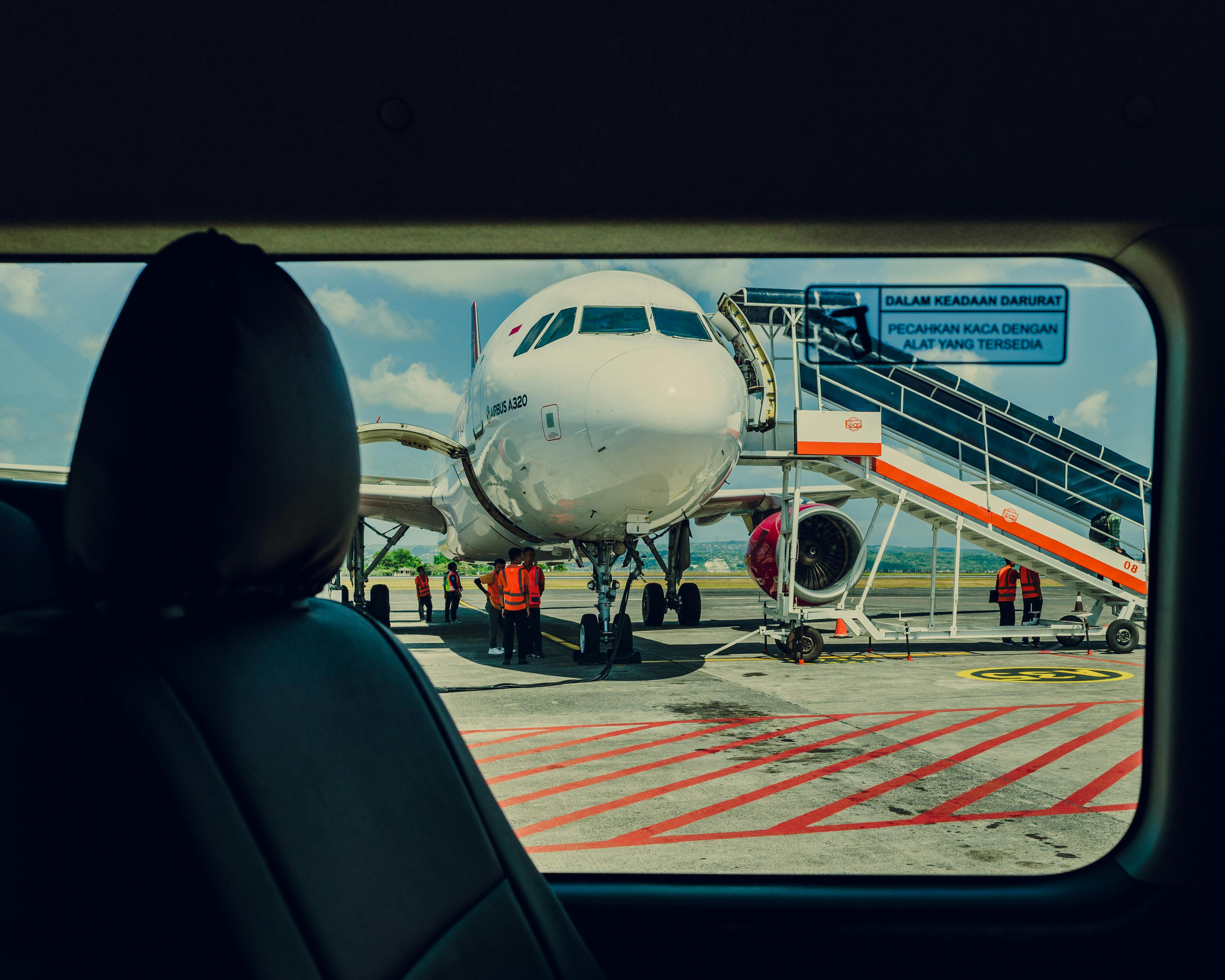
Airports can make or break the start of a trip. After years of flying through major hubs and small regional terminals alike, the difference between a relaxed departure and a chaotic one almost always comes down to preparation. This airport guide pulls together 28 practical, field-tested tips covering everything from booking and packing to security lines and layovers, so you can move through any terminal with confidence instead of guesswork.
Why a Solid Airport Guide Matters for Every Traveler
Most travel stress doesn’t happen on the plane, it happens before you even reach the gate. Long security queues, confusing terminal layouts, and last-minute document checks catch even experienced flyers off guard. A good airport guide isn’t about memorizing rules, it’s about building habits that remove uncertainty from the process. The tips below are organized by stage of the journey, starting before you leave home and ending right as you board.
| Aspect | What It Means | Why It Matters | Real-World Impact |
|---|---|---|---|
| Reducing Travel Stress | Knowing airport steps in advance | Removes confusion and uncertainty | Less panic during check-in and boarding |
| Time Management | Planning arrival, security, and gate time | Helps avoid missed flights | Smooth movement through busy airports |
| Security Preparedness | Understanding rules before arrival | Prevents delays and confiscations | Faster screening experience |
| Cost Control | Avoiding baggage and last-minute fees | Saves unnecessary travel expenses | Keeps travel budget under control |
| Better Organization | Having documents, bags, and apps ready | Reduces last-minute scrambling | Faster check-in and smoother boarding |
| Confidence While Traveling | Knowing what to expect at each stage | Builds traveler confidence | Easier navigation through new airports |
| Handling Unexpected Issues | Being prepared for delays or changes | Helps adapt quickly to disruptions | Less stress during flight delays or gate changes |
| Improved Travel Experience | Streamlined airport process | Makes journey more enjoyable | More relaxed start to the trip |
| Efficiency at Every Step | Optimizing movement through airport stages | Saves time at each checkpoint | Shorter queues and faster boarding process |
| Better Decision Making | Knowing when to arrive, pack, or book | Avoids common mistakes | Fewer travel errors and missed steps |
Pre-Trip Preparation: Tips 1 to 6
- Book smart, not fast. Comparing fares across multiple booking windows can save hundreds of dollars. For a deeper breakdown of timing and fare tracking, this guide on how to find cheap flights walks through twelve proven booking strategies.
- Check your airline’s baggage policy at least 48 hours out. Weight allowances and carry-on dimensions vary widely, and discovering a mismatch at the counter often means paying extra fees on the spot.
- Pack with the airport in mind, not just the destination. Liquids, electronics, and documents should sit in easily accessible spots. A detailed international travel packing list helps avoid last-minute repacking at security.
- Confirm your terminal, not just your airport. Many major airports operate multiple terminals served by different transport links, and arriving at the wrong one can cost thirty minutes or more.
- Download your airline’s app and the airport’s official app if one exists. Real-time gate changes and security wait times are usually pushed there before they appear on the overhead boards.
- Print or screenshot your documents. Visa approvals, hotel confirmations, and boarding passes should exist offline in case of weak airport WiFi or a dead phone battery.
Arriving at the Airport: Tips 7 to 12
- Use the recommended arrival window, but lean toward the longer end for international flights. Two to three hours before departure is standard, but holiday periods and large hub airports often need closer to three.
- Research ground transport before you land. Airports like Heathrow have multiple train, coach, and taxi options at very different price points; this Heathrow airport guide breaks down terminal-by-terminal transport choices.
- Identify your check-in counter location in advance. Some airports separate domestic and international check-in by entire floors or wings.
- Use self-service kiosks when your airline offers them. They typically cut wait times in half compared to staffed counters during peak hours.
- Tag your luggage clearly, inside and out. A simple name and phone number inside the bag protects you if the outer tag is torn off in transit.
- Weigh your bag at home if you’re close to the limit. A bathroom scale trick, standing on it with and without the bag, can save you from a costly repack at the counter.
Security and Immigration: Tips 13 to 18
- Wear shoes you can remove quickly and avoid heavy metal accessories. This alone can shave several minutes off your security screening time.
- Separate liquids and electronics before you reach the bins. Having laptops, tablets, and toiletry bags ready to pull out keeps the line moving for everyone behind you.
- Know the liquid and carry-on rules before you pack, not at the checkpoint. Most regions follow similar restrictions, and checking guidance ahead of time avoids confiscation.
- Carry physical copies of visas and entry permits even if you have digital versions. Immigration officers in some countries still prefer paper documentation.
- Keep your passport and boarding pass in the same hand or pocket throughout security and immigration. Fumbling through a bag at the desk is one of the most common causes of delay.
- If you’re flying through a hub known for tighter security, like Dubai International, read up beforehand. This Dubai International Airport guide covers what first-time visitors should expect at immigration and customs.
Inside the Terminal: Tips 19 to 23
- Locate your gate first, then explore. Knowing the walk time to your gate removes the anxiety of losing track of time while shopping or eating.
- Use airport lounges strategically, even without elite status. Many lounges now sell day passes that are worth it on long layovers for the shower facilities alone.
- Stay hydrated but skip the pre-flight alcohol. Cabin pressure affects how alcohol hits your system, and dehydration on a long flight is far more uncomfortable than it sounds.
- Charge your devices at the gate, not while walking through transit areas. Carrying a near-dead phone through an unfamiliar terminal is a needless risk.
- If you’re a frequent business traveler, build a terminal routine. Knowing exactly where you’ll work, eat, and rest at your most-used airports saves real time over dozens of trips, a habit many remote workers rely on, as covered in this digital nomad lifestyle guide.
Boarding and Final Prep: Tips 24 to 28
- Listen for your boarding group, not just the gate announcement. Boarding by group reduces aisle congestion and gets you seated faster.
- Have your boarding pass and ID out before you reach the gate agent. Even with digital boarding passes, a dead phone at the worst moment is more common than people admit.
- Use the restroom before boarding, not after sitting down. Taxi delays on the runway are unpredictable, and seatbelt signs can stay on longer than expected.
- Note your seat’s overhead bin situation. Boarding earlier when possible avoids the scramble for space that slows down the entire row behind you.
- Keep a small bag of essentials within reach during the flight itself. Headphones, medication, and a phone charger should never end up in checked luggage.
Airport Guide Tips for Specific Types of Travelers
Families Traveling With Children
Airports with dedicated family lanes at security can cut wait times significantly, and it’s worth checking whether your departure airport offers one. Packing snacks, a change of clothes, and entertainment in an easily reachable bag matters more than almost anything else on this list. If you’re traveling with an infant specifically, this packing list for travelling with a baby covers the items parents most often forget.
Solo and Budget Travelers
Solo travelers tend to move faster through airports but also have no backup if something goes wrong, so redundancy in documents and payment methods matters more. If budget is the priority for the whole trip, not just the flight, this guide on how to travel the world on a budget pairs well with the booking tips above.
Travelers Connecting Through Major Hubs
Connections through hubs like Singapore Changi, Hong Kong International, or Istanbul require attention to minimum connection times, which vary by airport and airline alliance. Guides covering airports such as Changi and Mactan-Cebu International or the top international hubs of Hong Kong, Fiumicino, and Kuala Lumpur are worth reading if your itinerary includes a tight layover.
Security Standards Worth Knowing
Airport security procedures aren’t arbitrary, they’re shaped by international aviation standards that most countries follow closely. The International Air Transport Association coordinates much of this standardization across member airlines and airports worldwide, which is why liquid restrictions, electronics screening, and document checks feel broadly similar whether you’re flying out of London, Dubai, or Atlanta. Understanding that these rules come from a shared global framework, rather than one airport being unusually strict, makes it easier to accept the process without frustration.
Frequently Asked Questions
How early should I arrive at the airport for an international flight?
Three hours is the safe standard for international departures, though smaller airports with light traffic may only need two. Holiday seasons and major hub airports often justify arriving even earlier.
What’s the biggest mistake first-time flyers make at the airport?
Underestimating walk time between check-in, security, and the gate. Large airports can require fifteen to twenty minutes of walking alone, separate from any queue time.
Can I bring food through airport security?
Solid food is generally allowed in carry-on bags, but liquids and gels, including sauces and yogurts, fall under the same restrictions as toiletries.
Do I need printed documents if everything is on my phone?
Yes, at least as a backup. Phone batteries die and apps occasionally fail to load at the worst moment, so a printed boarding pass and visa copy remain worth the small effort.
Are airport lounges worth it for occasional travelers?
On long layovers or red-eye flights, a day pass lounge often pays for itself in comfort, food, and shower access, even without frequent flyer status.
Final Thoughts on Using This Airport Guide
None of these 28 tips require special skills or expensive memberships, just a bit of planning before you leave home. The travelers who move through airports the most smoothly aren’t the ones who fly the most, they’re the ones who treat the airport itself as part of the trip worth preparing for. Keep this airport guide handy before your next departure, and pair it with destination-specific research for the smoothest journey possible.
