


Let me be honest with you — I used to think cruises were only for people with big budgets and even bigger retirement accounts. Then a friend convinced me to book a last-minute Caribbean cruise for less than $400. That trip completely changed how I travel.
Cruises can actually be one of the most affordable vacation formats out there, IF you know how to play the system. You get your accommodation, meals, entertainment, and transportation all bundled into one price. The trick is making sure that price is as low as possible — and keeping your onboard spending in check.
Here’s everything I’ve learned (sometimes the hard way) about booking and enjoying a cruise on a tight budget.
Book at the Right Time — Timing Is Everything
Cruise pricing works differently from flights. It doesn’t follow a simple “book early = save money” rule. There are actually two sweet spots:
Book way in advance (12–18 months out): Lines release their best cabin categories at intro prices. If you have a flexible schedule and can commit early, you can lock in great rates — especially for popular sailings or holiday dates.
Book last-minute (within 30–90 days of departure): This is where the real steals happen. Cruise lines would rather fill a cabin at half price than sail with empty rooms. Websites like Vacations To Go or Last Minute Travel specialize in these deals, and it’s not uncommon to find sailings at 50–70% off.
The worst time to book? Right in the middle — about 6 months out — when prices tend to peak. Don’t forget to take your dog with you.
Choose the Right Cruise Line for Your Budget
Not all cruise lines are created equal. Some are built for luxury; others are designed with budget travelers in mind.
| Cruise Line | Best For | Budget Level |
|---|---|---|
| Carnival Cruise Line | First-timers, families | Budget-friendly |
| Norwegian Cruise Line | Flexible dining, adults | Mid-range |
| MSC Cruises | International routes, deals | Budget to mid |
| Royal Caribbean | Activities, variety | Mid to premium |
| Celebrity Cruises | Upscale experience | Premium |
| Cunard / Regent | Luxury, world cruises | Luxury |
Pick Your Itinerary Strategically
The destination plays a massive role in what you’ll pay. Here’s a general breakdown:
- Caribbean – Highly competitive market, tons of deals, especially from Florida ports
- Bahamas – Short sailings (3–4 nights), great for a budget-friendly intro to cruising
- Mexico – Affordable excursions on land, cheap base fares
- Alaska – Pricier but jaw-dropping; look for repositioning deals in shoulder season
- Mediterranean – Peak season is expensive; aim for April–May or late September
Also consider repositioning cruises — when ships move between regions at the end of a season. These one-way crossings (like transatlantic routes) are often priced at a fraction of standard sailings because demand is lower. If you can book your own flights to meet the ship, you can travel ocean routes for incredibly low prices.
Inside Cabins: Your Wallet’s Best Friend
I know. No window sounds rough. But here’s the thing — most people barely spend time in their cabin. You’re at the pool, at dinner, at the shows, or exploring ports.
An inside cabin on a newer ship is clean, comfortable, and perfectly functional. The price difference between an inside cabin and a balcony on the same sailing can easily be $300–$600 per person. That’s money you could spend on excursions, specialty dining, or save entirely.
If you truly can’t give up natural light, consider booking an obstructed ocean view cabin. The view might be partially blocked by a lifeboat or structure, but the price drops significantly from a standard ocean view
Watch Out for Fees That Inflate Your Bill
This is where budget cruisers often get surprised. The base fare is just the beginning. Here’s what can quietly add up:
- Gratuities/Service charges — typically $15–$20 per person per day, automatically charged
- Specialty dining — steakhouses, sushi bars, and tasting menus cost extra
- Drinks packages — can run $60–$100+ per person per day
- Wi-Fi — often $20–$30/day, or more
- Port excursions — cruise line tours are almost always more expensive than booking independently.
- Spa treatments — heavily upcharged onboard
- Casino and arcade spending
How to Keep Onboard Costs Low
- Stick to the included buffet and main dining rooms — the food is genuinely good on most lines.s
- Bring a refillable water bottle; most ships have free water stations
- Skip the cruise line’s drink package if you’re a light drinker; buy drinks individually
- Buy a small amount of wine or soda at embarkation — most lines allow it
- Use free onboard entertainment: trivia nights, deck parties, poolside shows, Broadway-style performances
- Pre-purchase a Wi-Fi package before boarding (usually cheaper than buying onboard)
Book Shore Excursions Independently
This is one of the most impactful cheap cruise travel tips you’ll ever hear: do not book excursions through the cruise line.
Ship excursions can be 40–60% more expensive than booking with the same local operator yourself. Sites like Viator, GetYourGuide, and local tour company websites let you compare options and prices before you sail.
Yes, cruise line tours guarantee the ship won’t leave without you. But that risk is manageable — just choose tours that return to port at least 90 minutes before departure and check reviews carefully. Millions of cruisers book independently every year without issue.
In some ports, the best option is simply to walk off the ship and explore on your own. Places like Cozumel, Nassau, or Dubrovnik are walkable and beautiful without paying for a tour at all.
Use Credit Card Points and Travel Rewards
If you’re not using travel rewards to offset cruise costs, you’re leaving money on the table.
Some strategies that work well:
- Chase Sapphire Preferred or Reserve — points transfer to partners or can be used through Chase’s travel portal for cruise bookings
- Capital One Venture — simple flat-rate miles that apply directly to travel purchases
- Carnival, Royal Caribbean, and NCL co-branded cards — earn points directly toward cruises and onboard credit
Even if you don’t have cruise-specific points, general travel cards can cover flights to your embarkation port or hotels on either end of your trip.
Travel in the Off-Season (But Know the Trade-offs)
Peak cruise season varies by region, but sailing off-peak can slash your costs dramatically.
For the Caribbean, the cheapest months are September and October — but these fall within hurricane season. Prices drop because demand is lower and the weather carries more risk. If you’re flexible and willing to accept that possibility, the savings can be significant.
For Alaska, May and early September tend to be cheaper than peak summer months while still offering beautiful conditions.
For Mediterranean sailings, April, May, and October hit the sweet spot — good weather, lower prices, and thinner crowds in port.
Group Discounts and Kids Sail Free Deals
Traveling with family or a group? Use that to your advantage.
- Many cruise lines offer “kids sail free” promotions where children cruise at no extra charge (you still pay taxes and fees)
- Groups of 8+ often qualify for discounts, free cabins for group organizers, or onboard credits
- Check line-specific loyalty programs — even one prior cruise can put you in a tier that unlocks discounts.nts
Royal Caribbean, MSC, and Carnival run kids sail free deals fairly regularly. Follow cruise deal newsletters and Facebook groups to catch these when they go live.
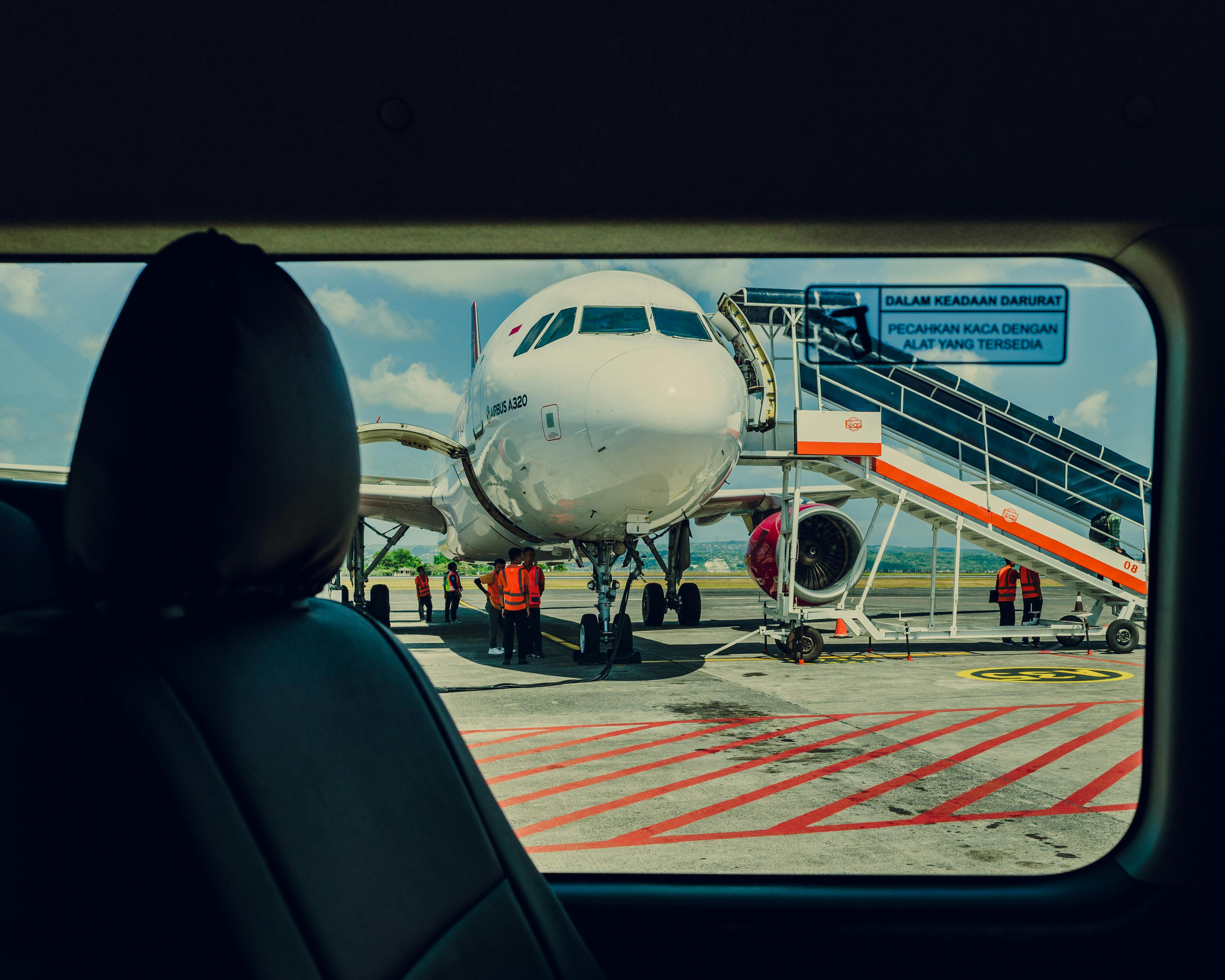
Some Airports are, for example
- Heathrow Airport
- Dubai International Airport
- Munich (MUC) & Jakarta (CGK)
- Changi and Mactan–Cebu International Airports
- Hong Kong, Fiumicino & Kuala Lumpur
FAQ: Cheap Cruise Travel Tips
Q: What is the cheapest type of cruise to book?
Inside cabin sailings on budget-friendly lines like Carnival or MSC, booked either far in advance or as a last-minute deal, consistently offer the lowest base fares. Short 3–4 night Bahamas cruises are another great entry point.
Q: Is it really cheaper to book last-minute cruises?
Often, yes — especially if you’re flexible about the sailing date, ship, and destination. Last-minute deals typically appear 30–90 days before departure when cruise lines are trying to fill remaining cabins. Sites like Vacations To Go specialize in these.
Q: How can I avoid overspending on drinks onboard?
If you’re a light-to-moderate drinker, skip the beverage package and pay per drink. Many lines allow you to bring a limited amount of wine or non-alcoholic beverages aboard at embarkation, which helps. Take advantage of complimentary options like coffee, tea, lemonade, and water throughout the day.
Q: Are cruise excursions worth booking independently?
For most ports, yes. Independent tours through platforms like Viator or GetYourGuide are typically 30–60% cheaper than cruise line excursions. Just build in enough buffer time to return to the ship well before departure.
Q: What hidden fees should I budget for on a cruise?
The main ones are daily gratuities ($15–$20/person/day), specialty dining, alcoholic beverages, Wi-Fi, and port fees/taxes if not included in your base fare. Factor these in when comparing “total cost” across different lines and sailings.
Final Thoughts
Cruising on a budget isn’t about sacrificing the experience — it’s about being smart with where your money goes. The ship’s free entertainment, including meals, and built-in adventure are genuinely excellent regardless of what you paid to board.
Know when to book, choose the right line, sleep in an inside cabin without guilt, explore ports your own way, and keep a close eye on the extras. Do that, and you’ll have an incredible trip without the financial hangover that sometimes follows a vacation.
The ocean is waiting. You don’t need deep pockets to sail it.
