
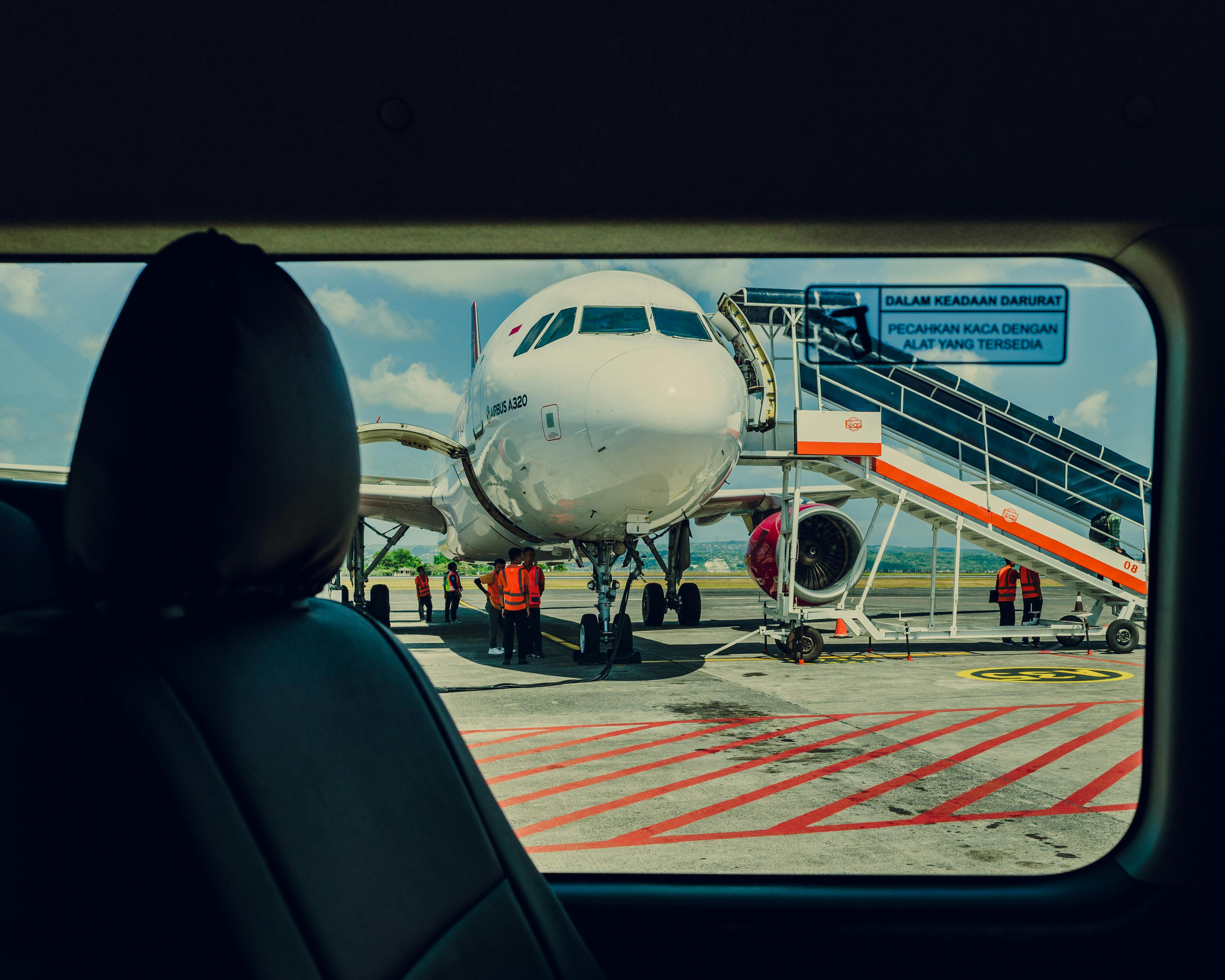


Istanbul does not ease you in gently. The moment you step off the plane, the city grabs you by the collar. The call to prayer echoes across rooftops. The smell of simit bread wafts through narrow streets. A fisherman casts his line from the Galata Bridge while ferries cut through the Bosphorus behind him. You are standing at the crossroads of two continents, and four days is just enough time to feel the city’s pulse.
This 4-day Istanbul itinerary is built for travelers who want more than a checklist of tourist spots. It takes you through the neighborhoods, the tea houses, the spice-filled bazaars, and the lesser-known mosques that most visitors walk past. Whether this is your first trip or your fifth, Istanbul always has another layer to peel back.
Day 1: The Historic Heart of Istanbul
Start your first morning in Sultanahmet, the old city. This neighborhood alone could fill a week, but we are being selective. Arrive at Hagia Sophia early, before the tour groups crowd the entrance. Built in 537 AD by Emperor Justinian, this building has been a church, a mosque, and a museum, and today it functions as a mosque again. The sheer size of the dome stops most people dead in their tracks.
Walk five minutes south, and you reach the Blue Mosque. Do not rush this. Sit on the benches in the courtyard and just look at the six minarets rising against the sky. The interior tile work, over 20,000 handmade Iznik tiles, is what earned the mosque its nickname.
“Istanbul is not a city. It is a world.” – Alphonse de Lamartine, French poet and politician
After lunch at a lokanta (a simple Turkish canteen) near Divanyolu Street, head to Topkapi Palace. Spend at least two hours here. The Treasury section is where most people linger longest, specifically for the Topkapi Dagger and the Spoonmaker’s Diamond. End the day with a walk along the old Byzantine walls as the sun goes down.
Day 2: The Grand Bazaar, Spice Market,t and the Bosphorus
| Heading | Content |
|---|---|
| Morning at the Grand Bazaar | Day two is for sensory overload, in the best possible way. The Grand Bazaar opens around 8:30 AM and closes by 7 PM. Get there before 10 AM to avoid the bulk of the crowds. With over 4,000 shops spread across 61 covered streets, getting slightly lost is actually the goal. Look for the old hans (caravanserais) tucked inside. Most tourists never find them. |
| Visit the Spice Bazaar | After the bazaar, walk downhill toward the Spice Bazaar (Misir Carsisi) neaEminönünu. The smell hits you before you see the entrance. Dried herbs, Turkish delight, saffron, pepper, and pomegranate tea all compete for your attention. Buy lokum (Turkish delight) here rather than at tourist shops. The quality is genuinely better, and the prices are fair. |
| Bosphorus Ferry Experience | In the afternoon, take a Bosphorus ferry fromEminönüu. The public ferry (not the tourist cruise) costs almost nothing and runs along the same waterway. You pass Ottoman-era yalis (wooden waterfront mansions), the Rumeli Fortress, and the two bridge spans connecting Europe and Asia. Bring a simit from the dock vendor and eat it on the upper deck. |
Day 3: Beyoglu, Galata, and the Modern Side of Istanbul
Cross the Galata Bridge on foot in the morning. Stop mid-bridge and watch the fishermen. It is a scene that has barely changed in a hundred years. On the north bank, climb the hill toward the Galata Tower, built by the Genoese in 1348. The view from the top shows you the full geography of Istanbul, the Golden Horn below, the old city to your left, and the Bosphorus stretching out behind you.
From Galata, walk up Istiklal Avenue (Istiklal Caddesi). This pedestrian street runs almost a mile through Beyoglu and is lined with 19th-century European-style buildings, bookshops, music stores, patisseries, and restaurants. Take the vintage tram at least one way. Halfway along, duck into the Cicek Pasaji (Flower Passage), a 19th-century arcade that now houses meyhanes (Turkish taverns).
The Pera Museum nearby holds the famous Tortoise Trainer painting by Osman Hamdi Bey. It is one of the most important works of Ottoman-era art, and seeing it in person is a very different experience from seeing it reproduced online. Spend the evening in Karakoy, eating at one of the fish restaurants along the waterfront.
Day 4: Kadikoy, Asian Side, and a Farewell Sunset
Take the ferry to Kadikoy on the Asian side. This is where Istanbulites actually live. The Kadikoy market (Kadikoy Pazari) on Tuesday and Friday mornings is one of the best food markets in the city. Local vendors sell fresh produce, cheeses, pickles, olives, and pastries. Grab a midye (stuffed mussel) from a street cart and squeeze lemon over it. This is Istanbul at its most honest.
Walk north along the coast toward Moda, a quiet neighborhood with Art Deco apartment buildings, small parks overlooking the Marmara Sea, and cafes that fill up with students and locals on weekday afternoons. It has a completely different energy from the European side, less frantic and more lived-in.
Take the ferry back to the European side as the sun starts to set. From the water, you see the Sultanahmet skyline exactly as it has looked for centuries. Domes and minarets against an orange sky. It is a view you will not forget. End the trip with dinner in Balat, the old Jewish quarter, where converted Greek houses now shelter some of Istanbul’s best small restaurants.
What to Eat in Istanbul: A Quick Food Guide
Istanbul’s food culture is a destination in itself. Do not skip these:
- Balik Ekmek: A fish sandwich from the boats at Eminonu. Simple, fresh, and iconic.
- Kokoreç: Seasoned lamb intestines grilled on a skewer. It sounds alarming and tastes wonderful.
- Menemen: Scrambled eggs cooked with tomatoes, green peppers, and spices. The standard Turkish breakfast.
- Kunefe: A warm cheese pastry soaked in syrup and topped with pistachios. Best eaten straight from the pan.
- Cay: Turkish tea served in small tulip-shaped glasses. You will drink at least a dozen cups per day without noticing.
Practical Tips Before You Go
- The Istanbul Card (Istanbulkart) works on all public transport,t including ferries and metro. Buy one at the airport.
- Mosques are free to enter but require modest dress. Women need a headscarf, rf and everyone removes shoes.
- The best exchange rates are at private exchange offices (doviz), not banks or airport counters.
- Most menus near tourist areas are in English, but heading one or two streets away gets you better food at half the price.
- Taxis are widely available,ble but agree on the price or insist on the meter before getting in.
Conclusion
Four days in Istanbul will leave you feeling like you have barely scratched the surface, and that is exactly the point. The city rewards curiosity. Every alley leads somewhere worth stopping. Every conversation with a local adds a layer you did not expect. Use this itinerary as a foundation, then follow whatever catches your eye. Istanbul has a way of making the detours the best part of the trip.
Frequently Asked Questions
Is 4 days enough for Istanbul?
Yes, 4 days covers the major landmarks and neighborhoods comfortably. It is enough for a solid first trip, though you will want to come back.
What is the best time of year to visit Istanbul?
April to June and September to November offer mild weather and fewer crowds. July and August are hot and busy.
Is Istanbul safe for tourists?
Istanbul is generally safe for tourists. Use normal city precautions, keep an eye on your belongings in crowded areas, and you will be fine.
Do I need a visa to visit Istanbul?
Most nationalities can get an e-Visa online before arrival. Check the Turkish government e-Visa portal for your specific country.
What currency is used in Istanbul?
The Turkish Lira (TRY) is the local currency. Cards are widely accepted, but cash is handy for street food and small shops.
