
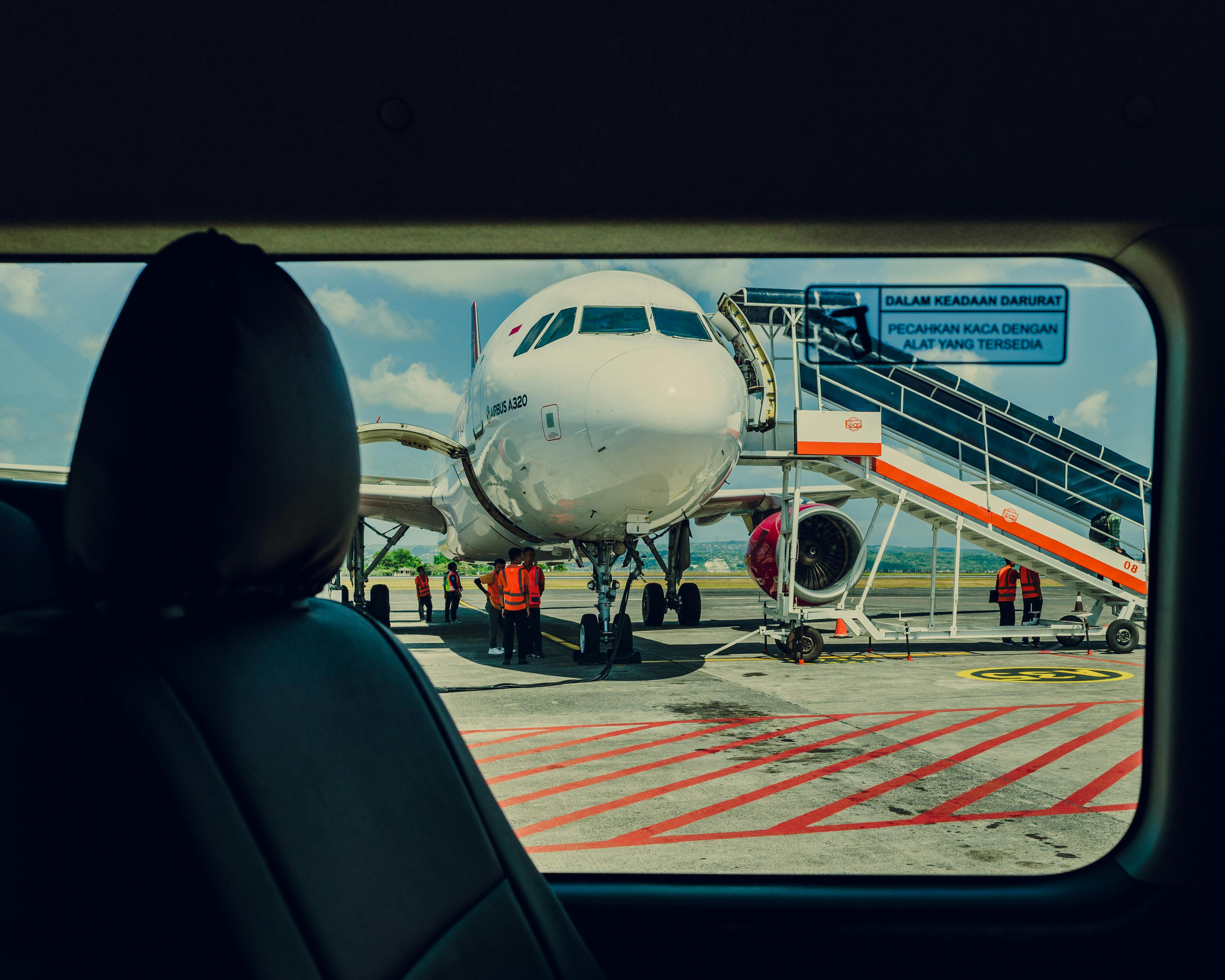


Traveling the world sounds expensive until you realize most people are doing it wrong. They book late, pay full price, eat at tourist traps, and wonder why their savings vanish. The truth is, budget travel is not about suffering through bad hostels or skipping experiences. It is about spending smart so you can stay longer and see more.
This guide covers every practical angle from booking flights more cheaply to cutting accommodation costs, eating like a local, and managing money on the road. These are not vague tips. These are habits that long-term travelers actually use.
1. Book Flights the Smart Way, Not the Easy Way
The biggest chunk of your travel budget goes to flights, so this is where to fight hard. Most people search on the same big sites and wonder why prices keep jumping. Here is a better approach.
- Use Google Flights and turn on price tracking alerts for your route. Prices shift daily, and being notified early beats last-minute panic buying.
- Search with flexible dates. Shifting your departure by even two days can slash the cost by 30 to 40 percent on some routes.
- Try flying into nearby airports. Flying into Milan instead of Rome or Oakland instead of San Francisco is a classic trick that still works.
- Consider budget airlines for short hops. Ryanair, Wizz Air, AirAsia, and IndiGo are painful but cheap if you travel light.
One underused trick is building your own multi-city itinerary using separate one-way tickets rather than around-tripp through a single airline. Yes, it takes more effort. The savings can be significant.
2. Where You Sleep Does Not Have to Drain You
Accommodation is the second biggest expense and also the most flexible. You have far more choices than a hotel or a hostel.
- Hostels with private rooms are often cheaper than budget hotels and come with free breakfast, social areas, and local tips from staff who have traveled themselves.
- Couchsurfing is not just for broke backpackers. Many travelers use it to connect with locals, get honest area advice, and stay for free in cities where accommodation is pricey.
- House sitting through platforms like TrustedHousesitters lets you stay rent-free in someone’s home while looking after their pets. This is genuinely one of the best budget strategies for longer trips.
- Book directly with guesthouses or smaller hotels. Many places offer a discount if you skip the booking platform and email them directly.
If you plan to stay somewhere for more than a week, negotiate a weekly rate. This works in Southeast Asia, Eastern Europe, Central America, and most places outside heavily regulated tourist hubs.
3. Eat Well Without Paying Tourist Prices
Food is one of the best parts of travel and one of the easiest places to overspend. Walk two blocks away from any major tourist site, and prices often drop by half.
- Eat where locals eat. If the menu has photos and is translated into five languages, you are paying for the setting, not the food.
- Street food and market stalls are your best friends in countries like Thailand, Vietnam, Mexico, Turkey, and India. The food is fresher, cheaper, and often better.
- Grocery stores and local supermarkets can cover breakfasts and quick meals without touching your restaurant budget.
- Lunch menus are almost always cheaper than dinner menus at the same restaurant. Have your bigger meal at midday if you want to eat somewhere nice.
4. Manage Your Money Like a Traveler, Not a Tourist
Bad currency decisions eat your budget quietly. You might not notice how much you lose until you check your account.
- Get a travel debit card with no foreign transaction fees. Wise, Charles Schwab, and Revolut are commonly used options that give near-perfect exchange rates.
- Always pay in local currency when given the choice at a card terminal. Dynamic currency conversion is a trap that costs you real money.
- Withdraw larger amounts less often to minimize ATM fees rather than small amounts daily.
- Keep a daily spending budget in a notes app and check it each evening. Awareness alone prevents a lot of waste.
5. Choose Destinations That Work With Your Budget
| Heading | Content |
|---|---|
| Importance of Destination Choice | Our destination choice matters more than any coupon or hack. In some countries,s you can live comfortably on 30 dollars a day. In others, 30 dollars barely covers one meal and a beer. |
| Southeast Asia Value | Southeast Asia remains one of the best value regions in the world. Vietnam, Cambodia, Indonesia, and Thailand offer incredible food, culture, and natural beauty at a fraction of Western costs. |
| Affordable Eastern Europe | Eastern Europe, pe including countries like Albania, North Macedonia, and Georgia,gia has become a strong alternative for travelers wanting the European feel without Western European prices. |
| Central America for Budget Travelers | Central America, particularly Guatemala, Honduras, and Nicaragua, is criminally underrated for budget travelers. |
| Saving More by Staying Longer | Latin America, in general, rewards those who go slow. The longer you stay in one place, the less you spend on mo,vement and the more you save on accommodation deals. |
6. Pack Light and Save More Than You Think
Overpacking is a budget problem, not just a comfort problem. Checked luggage fees on budget airlines add up fast, and heavy bags make you take taxis instead of public transport.
Fit everything into a 40-liter carry-onbackpackb,ackpack and you will never pay a baggage fee again. Wear your heaviest clothes on the plane. Use packing cubes to compress clothing. Bring a universal adapter, but leave the hairdryer at home.
Buy things you forgot when you arrive. Everything from sunscreen to a rain jacket is available in any city in the world, usually for less than at home.
7. Fill Your Days Without Emptying Your Wallet
Paid tours and attraction tickets drain budgets fast. But most of what makes travel meaningful is actually free.
- Free walking tours run in almost every major city. You pay what you want at the end, and the guides are usually excellent because their income depends on it.
- Museums in many European cities are free on specific days or permanently free for under-25s and students.
- Hiking, beaches, local festivals, markets, and neighborhoods are experiences that cost nothing and often produce the best stories.
- City passes make sense if you plan to visit multiple paid attractions in a single city. Do the math first.
Conclusion
Budget travel is not a compromise. It is a different approach to the same world. When you spend less on logistics and accommodation, you often end up engaging more with the actual destination rather than the tourist version of it. Start with one smart decision, whether that is tracking flights earlier, choosing a cheaper region, or packing lighter. Each good habit builds on the last, and over time, the savings become significant enough to fund much longer adventures.
Frequently Asked Questions
How much money do I need to travel the world on a budget?
Most budget travelers get by on 30 to 50 dollars a day in affordable regions. In Western Europe or Australia, expect to spend a minimum of 80 to 100 dollars.
What is the cheapest way to travel internationally?
Book flights 6 to 8 weeks ahead, use budget airlines for short routes, and travel during shoulder season to avoid peak pricing.
Is it safe to travel the world on a tight budget?
Yes. Budget travel does not mean careless travel. Research your destinations, get travel insurance, and trust your instincts.
Which countries are the cheapest to travel to?
Vietnam, Indonesia, Albania, Georgia, Guatemala, and Nepal consistently rank among the most affordable countries for travelers.
How do I find cheap accommodation while traveling?
Use hostels, house sitting platforms, and direct guesthouse bookings. For longer stays, negotiate weekly rates directly with the property.
