
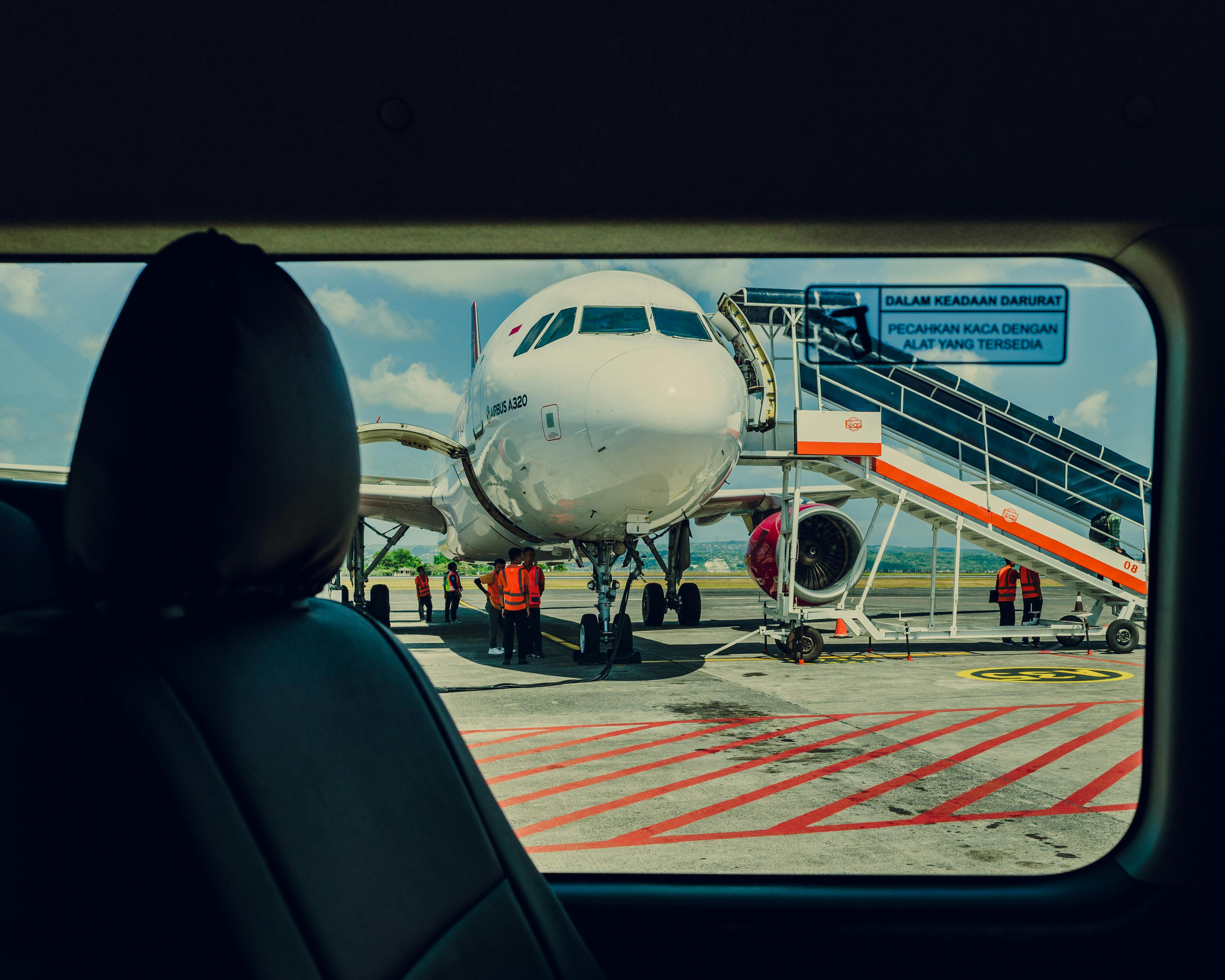


Picture this: your office is a beachside cafe in Bali, a cobblestone square in Lisbon, or a co-working space in Medellin. You are earning money, exploring the world, and building a life that most people only dream about. That is the digital nomad lifestyle in a nutshell.
But here is the thing nobody talks about: it is not just about freedom. It takes real planning, the right tools, and a solid strategy to make it work long-term. This guide covers everything you actually need to know before you book that one-way ticket.
What Is the Digital Nomad Lifestyle, Really?
A digital nomad is someone who works remotely while traveling or living in different locations. This could be a freelance writer, a software developer, a social media manager, or an online entrepreneur. The work is location-independent, meaning as long as you have a laptop and reliable internet, you can work from anywhere.
What separates a digital nomad from someone who just travels a lot is intentionality. Nomads structure their days around work, finances, and travel in a way that is sustainable, not spontaneous. It is a lifestyle choice, not an extended vacation.
How to Actually Start Living as a Digital Nomad
Most people think they need to quit their job, sell everything, and jump on a plane tomorrow. The smart approach is more gradual.
Step 1: Secure Remote Income First
Before anything else, you need a stable income source that works online. Options include negotiating a remote arrangement with your current employer, freelancing in your area of expertise, or taking contract work on platforms like Toptal, Upwork, or Remote.co.
Step 2: Build a Financial Safety Net
Aim for at least three to six months of living expenses saved before you leave. Unexpected costs hit harder when you are abroad, whether it is a medical bill, a cancelled client, or a flight change. A solid financial cushion means you make decisions from a place of calm, not panic.
Best Digital Nomad Destinations in 2025
The best destinations offer a mix of affordable living, fast internet, a thriving nomad community, and a genuine quality of life. Here are five that deliver on all fronts:
- Chiang Mai, Thailand: Low cost of living, excellent co-working spaces, and a large expat community. Monthly costs sit between $800 and $1,400.
- Lisbon, Portugal: European quality of life with relatively lower costs. Strong tech scene and an official digital nomad visa available.
- Medellin, Colombia: Year-round spring weather, a vibrant food scene, and a growing nomad hub in El Poblado. Very budget-friendly.
- Tbilisi, Georgia: Extremely low costs, fast Wi-Fi, and a welcoming culture. Georgia offers a special remote work visa.
- Bali, Indonesia: Canggu and Ubud offer beautiful scenery, a wellness culture, and a well-established nomad infrastructure.
Essential Tools Every Digital Nomad Needs
Your productivity depends heavily on the tools you use. Here is what most experienced nomads rely on daily:
- VPN (NordVPN or ExpressVPN): Protects your data on public Wi-Fi and helps bypass regional content restrictions.
- Wise or Revolut: Low-fee international transfers and multi-currency accounts built for people who live across borders.
- SafetyWing Travel Insurance: Purpose-built for nomads, covering health emergencies and travel disruptions at a reasonable price.
- Notion or Trello: Keeps your projects, client work, and travel planning all in one organized place.
- Coworker or Workfrom: Helps you find quality co-working spaces and cafes with fast internet in any new city.
Real Challenges Nobody Warns You About
The nomad lifestyle looks perfect on Instagram. The reality is more layered. Loneliness is one of the biggest issues, especially when you keep moving and struggle to build genuine friendships. Burnout is also common when the line between work and exploration gets blurry.
Tax obligations become complicated the moment you start working across multiple countries. And the constant novelty, as wonderful as it sounds, can lead to what some call travel fatigue, where nowhere feels special anymore.
The fix is structure. Set working hours, join local communities in each city, and give yourself permission to slow down and stay somewhere for a month or two instead of moving every week.
How Much Does the Digital Nomad Lifestyle Cost?
In Southeast Asia, many nomads live comfortably on $1,200 to $2,000 per month, including accommodation, food, transport, and co-working. In Europe, the budget is closer to $2,500 to $4,000, depending on the city.
The biggest cost-saving strategy is slow travel. Staying in one place for a month or more is almost always cheaper than moving every few days. Monthly rentals on Airbnb or local apartment sites are significantly more affordable than short-stay rates.
Digital Nomad Visas: What You Need to Know
Over 50 countries now offer official digital nomad or remote work visas. These let you legally live and work in a country without the grey area of overstaying a tourist visa.
Popular options include Portugal’s D8 Visa, Spain’s Digital Nomad Visa, Costa Rica’s Rentista Visa, and Georgia’s Remotely From Georgia program. Requirements typically involve proof of remote income (usually a minimum of $2,000 to $3,500 per month), valid health insurance, and a clean background check.
Frequently Asked Questions
Do I need to be a tech person to become a digital nomad?
No. Writers, teachers, marketers, designers, consultants, and coaches all live this lifestyle successfully.
How do digital nomads handle taxes?
It depends on your home country. Most nomads work with an international tax consultant to stay compliant and avoid double taxation.
Is it safe to work on public Wi-Fi as a digital nomad?
Use a VPN every time. It encrypts your connection and protects your data on public networks.
Can I become a digital nomad with a family?
Yes. Many families do it with extra planning around schooling, daily routine, and choosing family-friendly destinations.
What is the best way to find a remote job?
Start with dedicated job boards such as We Work Remotely, Remote.co, and LinkedIn, with the remote filter turned on.
Conclusion
The digital nomad lifestyle is absolutely achievable, but it rewards those who prepare over those who simply dream. Lock down your income, sort your finances, pick destinations that match your budget and work style, and build daily habits that keep you productive on the road. Travel is the reward. Remote work is the engine. Put both together intentionally,y and you will have a life most people would trade anything for.
